







Search Results for: Ethiopian coffee variety
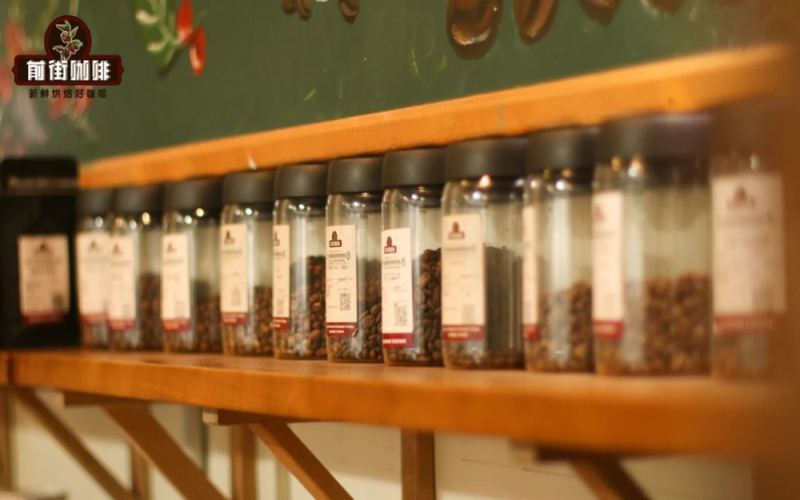
Ethiopian Heirloom Coffee Beans: Unraveling the Truth and Flavor Mysteries of Heirloom Varieties
Ethiopian coffee beans are perpetually labeled with the variety name Heirloom, but what exactly lies behind this broad designation? Why are Ethiopian beans always so inconsistent in size and so varied in flavor? This article, from the perspective of Front Street Coffee, traces the origin of the term "heirloom" and the controversies surrounding its definition, analyzes Ethiopian coffee variety classification, cultivation models, and green bean grading systems, and, through a blind tasting comparison of Front Street Sidamo Natural Arsi, reveals the true flavor differences between large and small coffee beans, helping you genuinely understand the richness and complexity of Ethiopian coffee. [more…]
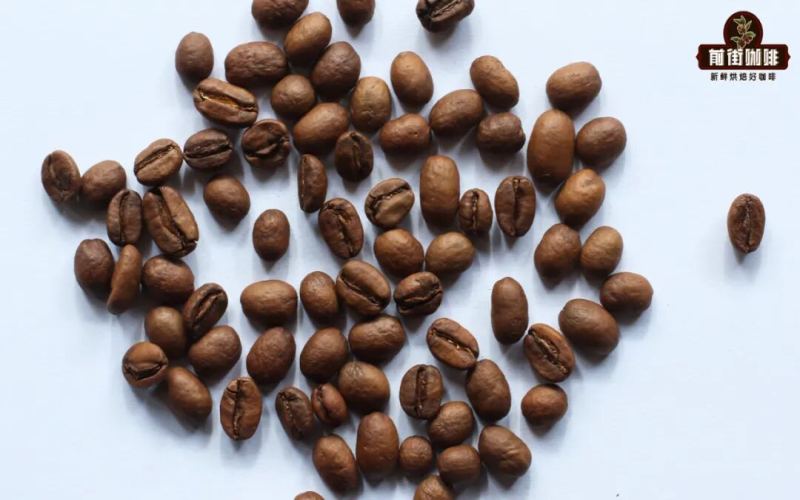
Ethiopian Coffee Beans | Why Do Ethiopian Coffee Beans Vary So Much in Appearance? What Coffee Variety Is the Ethiopian Heirloom Native Species?
"Boss, why are the beans in this bag so uneven in size? Every bean looks so unique..." This is the question customers ask our customer service most often after receiving Ethiopian coffee beans ordered from Front Street's Taobao store. From the picture, we can see that, just as our friends have reported, [more…]
Why Are Ethiopian Coffees Collectively Called Heirloom? An Analysis of the Origins and Characteristics of Heirloom Varieties
In the specialty coffee world, the variety labeling on Ethiopian coffee beans often includes the word "Heirloom," which leaves many enthusiasts confused. In fact, this term does not refer to any single specific variety, but is a collective name for the vast number of native coffee variety groups within Ethiopia. It is estimated that the country's forests may contain more than ten thousand naturally growing coffee varieties, and because genetic identification work has not kept pace, buyers find it difficult to distinguish them one by one and can only use "heirloom" as a general description. This article will sort out the dual meanings of the word Heirloom in the coffee world, explain why Ethiopian coffee varieties are so difficult to identify precisely, and help you understand the variety diversity and natural pollination mechanisms behind this term. Front Street Coffee will also draw on producing-region examples to help you more clearly understand the varietal attributes of Ethiopian coffee. [more…]
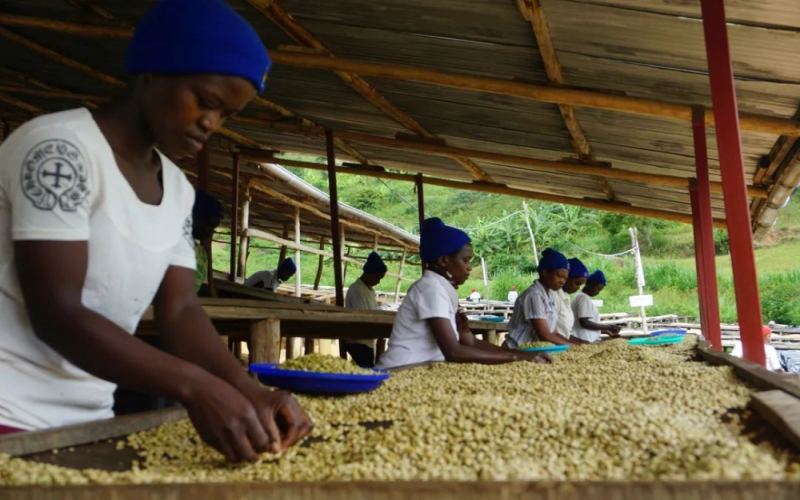
Ethiopian Coffee Bean Buying Guide: A Complete Analysis of Regional Flavors, Variety Characteristics, and the Grading System
Ethiopia is the birthplace of coffee. With its vast and complex gene pool and diverse processing methods, it gives rise to richly layered coffee flavors that are deeply loved by coffee enthusiasts. Among the beans offered by Front Street Coffee, the Ethiopian region accounts for thirty to forty percent. This article will walk you through the variety classification of Ethiopian coffee, the flavor characteristics of the two representative regions Yirgacheffe and Sidamo, the differences between washed and natural processing methods, as well as Ethiopia's unique green bean grading system and the Red Cherry Project. Whether you are a beginner just getting into pour-over or a seasoned connoisseur chasing the ultimate flavor, you will find practical guidance here for choosing Ethiopian coffee beans. [more…]

An Analysis of Ethiopian Heirloom and Landrace Coffee Varieties: Native Species Characteristics and the Evolution of Their Naming
When you look at the origin information on a bag of Ethiopian coffee beans, the variety field often says "Heirloom." What exactly does this mean? It is actually a collective term for Ethiopia's local heritage varieties, and it is estimated that there are tens of thousands of native coffees in the region that have not yet been formally identified. This article will systematically sort out the differences between Heirloom and Landrace, from the meaning of the terms, classification, and flavor expression to naming trends, and also introduce the meaning of the numbering of JARC-bred varieties. The article also combines several beans from Front Street Coffee to explain the reasons why Ethiopian beans vary in size and why their flavors change from year to year, helping you gain a more comprehensive understanding of the variety diversity of this birthplace of coffee. [more…]
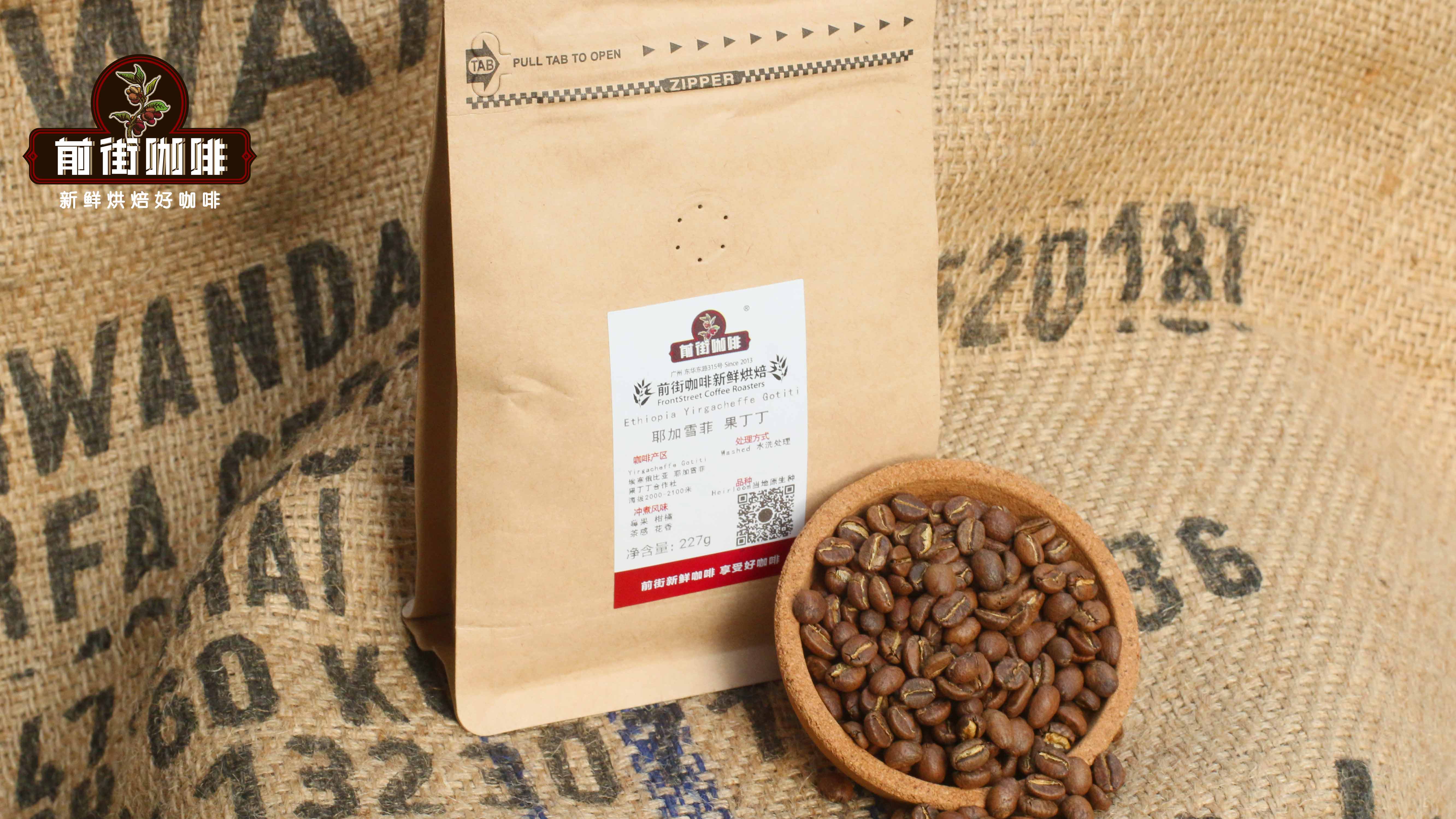
Ethiopian Coffee: A Comprehensive Analysis of Heirloom Varieties, Processing Methods, and Grading Systems
Ethiopia is a genetic treasure trove of coffee, where tens of thousands of heirloom varieties interweave with diverse processing methods to create an extraordinarily rich flavor spectrum. From Yirgacheffe to Sidamo, from washed to natural, the coffee of this East African highland is renowned worldwide for its citrus florals and bright acidity. Yet the uneven bean appearance of landrace varieties, the unique grading system, and the quality boost from the Red Cherry Project together form the distinctive character of Ethiopian coffee. Drawing on Front Street Coffee's shelving experience and cupping records, this article systematically reviews the varietal origins, regional characteristics, processing method differences, and green bean grading logic of Ethiopian coffee, helping coffee enthusiasts gain a deeper understanding of the appeal of this producing country. [more…]
A Complete Analysis of the Ethiopian Coffee Bean Grading System and Flavor: Heirloom Varieties, the Red Cherry Project, and Front Street Recommendations
Ethiopia, as the birthplace of coffee, is home to tens of thousands of heirloom varieties, and its coffee is world-renowned for its citrus and floral notes and complex flavors. This article provides a detailed analysis of the Ethiopian coffee grading system, from the classification of washed and unwashed coffees to the G1 to G9 evaluation standards, and introduces how the Red Cherry Project improves coffee quality. At the same time, Front Street Coffee shares cupping experience from the Yirgacheffe and Sidamo regions, comparing the flavor differences between washed and natural beans, offering coffee enthusiasts comprehensive knowledge about Ethiopian coffee. [more…]
Ethiopian Coffee Flavor and Bean Variety Grading Explained: A Comprehensive Analysis of Heirloom Varieties, Regional Landraces, and Numeric Varieties
As the birthplace of Arabica coffee, the forests of southwestern Ethiopia nurture countless coffee varieties, which gives the local coffee a unique flavor that is hard to replicate. Because the varieties are extremely diverse, it is difficult for the government to name them one by one, so they are mostly referred to collectively as "heirloom varieties." On this basis, regional varieties and numbered lines beginning with 74 and 75 have also emerged. The grading of Ethiopian coffee beans is based on the number of defective beans, with five grades from G1 to G5, among which G1 and G2 are the highest quality. This time, Front Street Coffee uses washed Yirgacheffe G2 as the representative everyday coffee of the Ethiopian region, presenting the classic flavor of intertwined citrus, white flowers, honey, and tea-like notes, and also includes pour-over suggestions and bean-resting instructions to help coffee lovers gain a more complete understanding of the charm of Ethiopian coffee. [more…]
Why Are Ethiopian Coffees Often Labeled Heirloom? From the Meaning of Heirloom to the Flavors of Huakui and Yirgacheffe, Explained in One Go
When selecting Ethiopian coffee beans, many people notice that the variety column almost always says "Heirloom/native species," and Front Street and other vendors are no exception. Why doesn't Ethiopian coffee label specific varieties like other producing countries? Is Heirloom actually Arabica? What does it have to do with the flavors of Huakui and Yirgacheffe? From the perspective of Front Street, this article first explains the definition and origin of Heirloom, then explains the practical reasons why it is difficult to subdivide varieties in Ethiopia, including the vast coffee gene pool, the model of wild harvesting and smallholder farming, and the convention of mixed purchasing at processing plants. Finally, it will also mention that Ethiopia does not only have Heirloom, and uses Huakui and Gudingding from the Front Street bean list as examples to let you experience the classic flavors of Guji and Yirgacheffe. [more…]

Why Are Ethiopian Coffee Beans So Uneven in Size? Analyzing Ethiopian Coffee Characteristics and Native Heirloom Varieties
As the birthplace of coffee, Ethiopia often produces coffee beans of varying sizes, a phenomenon closely tied to its unique variety system and cultivation methods. On Front Street Coffee's bean list, the Ethiopian region boasts the richest selection, and we frequently receive feedback about uneven bean sizes. This article explores the reasons behind the size differences in Ethiopian coffee beans, analyzes the overall characteristics of Ethiopian coffee, and explains what heirloom and native varieties are, helping coffee enthusiasts gain a more comprehensive understanding of this region's unique charm. [more…]
Flavor Differences Between Ethiopian Geisha and Panamanian Geisha: Same Name, Different Variety—Why the Huge Gap in Price and Taste
Geisha coffee varies significantly in flavor and price depending on its origin and processing method. Among them, Ethiopian Geisha and Panamanian Geisha often spark lively discussion among coffee enthusiasts due to their stark differences in price and taste. Although the two share the name "Geisha," they are actually entirely different varieties. Panamanian Geisha originated from the Geisha forest in Ethiopia, was discovered by Hacienda La Esmeralda, and won the 2004 BOP competition, known for its white floral notes, citrus fruit character, and green tea-like quality, with the designation T2722; Ethiopian Geisha, on the other hand, tends to have a rich, juicy mouthfeel and is genetically more distantly related to Panamanian Geisha, making it something of a distant relative. This article will outline the origins and flavor differences of the two, and recommend several high-value Geisha beans from Front Street Coffee for comparative tasting. [more…]
Ethiopian Sidamo vs. Uraga Coffee Comparison: Flavor Analysis of a COE Natural Typica and a TOH Washed Heirloom Variety
Front Street Coffee has recently added two competition-grade Ethiopian coffee beans to its lineup: a natural Typica that placed 22nd in the COE Cup of Excellence competition, and a native variety that won the washed group championship in the TOH tournament. This article provides a systematic comparison of these two Front Street Ethiopian coffee beans across multiple dimensions, including competition background, growing region, coffee variety, green bean processing, roasting curve, cupping performance, and brewing recommendations. Readers can use this to understand the differences between the COE and TOH competitions, the terroir characteristics of the Sidamo Arsi and Uraga producing regions, the varietal traits of Typica versus Ethiopian native heirloom varieties, and the influence of natural and washed processing methods on flavor direction, providing a reference for daily purchasing and brewing. [more…]
Ethiopian Heirloom Coffee Beans Explained: Differences from Landrace Varieties and Grading Standards
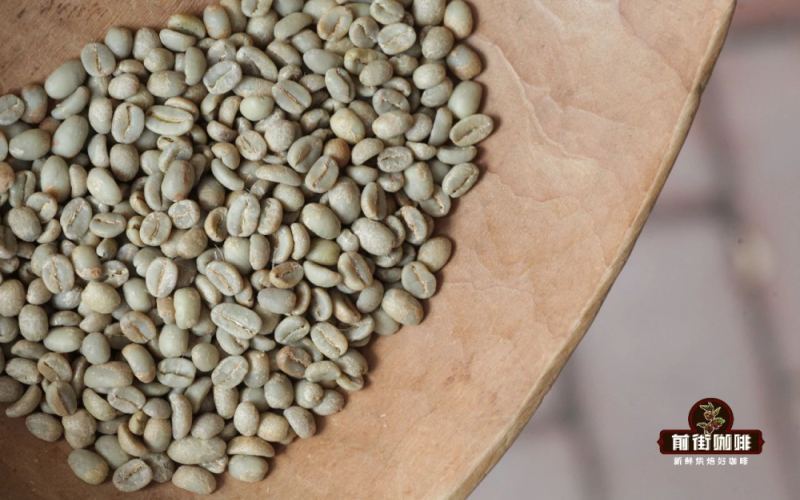
Ethiopia, as the birthplace of coffee, boasts an astonishing variety of cultivars, with nearly 2,000 varieties recorded to date, of which 1,927 are native varieties. Ethiopian coffee beans commonly found on the market are mostly labeled as Heirloom native varieties, but in recent years Landrace local varieties and numbered varieties have gradually gained popularity. In this article, Front Street Coffee will systematically sort out the definition, classification, and identification challenges of Heirloom native varieties, analyze the origins of Landrace and numbered varieties, and introduce in detail Ethiopia's coffee bean grading standards. Finally, it recommends a number of Front Street selected Ethiopian native varieties, covering well-known products such as Gedeb, Red Cherry, Woka, Aricha, and Huakui 5.0, with roasting and brewing data shared as well. [more…]
A Complete Guide to Ethiopian Coffee Heirloom Varieties: From Variety Characteristics to the Red Cherry Project and Grading System
Ethiopia is a genetic treasure trove of coffee, with a vast array of native varieties and unique flavors. From Yirgacheffe to Sidamo, from washed to natural, every bean is full of surprises. This article takes you deep into Ethiopia's coffee variety classifications, flavor characteristics, processing method differences, the Red Cherry Project, and its unique grading system, and shares Front Street Coffee's cupping and brewing experience to help you gain a comprehensive understanding of this major African coffee country. [more…]

Ethiopian Heirloom | Why do Ethiopian coffee beans vary so much in appearance? What are the flavor characteristics of sun-dried Huakui and washed Gudingding?
“Boss, why are the beans in this bag so uneven in size? Every bean looks so distinctive...” This is the question customers ask our customer service most often after receiving Ethiopian coffee beans ordered from Front Street’s Taobao store. From the picture, we can see that, just as our friends reported, [more…]

The Origin and Flavor Characteristics of Ethiopian Digital Coffee Varieties 74158 and 74110
When purchasing Ethiopian coffee, in addition to the common Heirloom native variety label, in recent years more and more varieties with numerical codes have entered the public eye, such as 74158, 74110, and others. What exactly do these numbers represent? They are closely related to a period of disease-resistant breeding history in the Ethiopian coffee industry. In the 1970s, coffee anthracnose ravaged Ethiopian producing regions, prompting the Jimma Agricultural Research Center to launch a systematic breeding program, selecting from hundreds of samples several varieties that combined disease resistance with excellent flavor. This article will outline the origins of these numerical varieties, their classification logic, the flavor characteristics of their main representatives, and their performance in COE competitions, and will also introduce related products brought in by Front Street Coffee. [more…]
Ethiopian Coffee Bean Origin Story and the Starbucks Trademark Dispute, Plus a Look at Front Street Yirgacheffe Flavor Characteristics
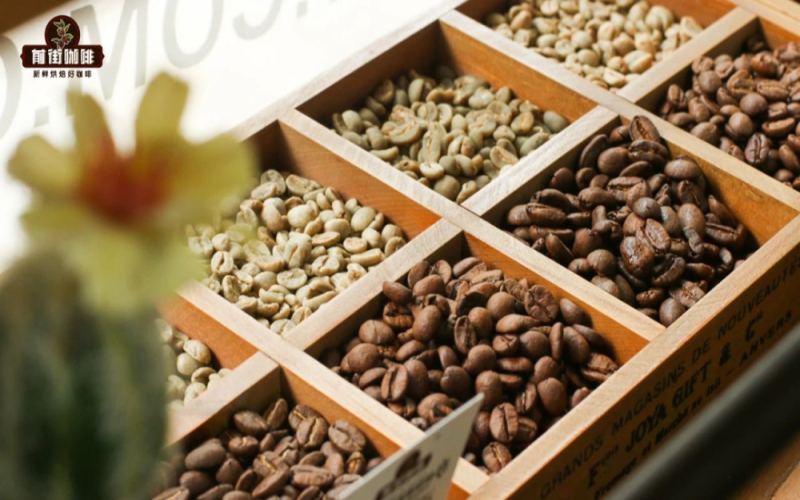
Ethiopia is renowned as the birthplace of coffee. With its high altitude and favorable climate, it produces Arabica coffee beans of outstanding quality, which has also attracted the attention of international brands such as Starbucks. From the perspective of Front Street Coffee, this article will review Ethiopia's coffee growing distribution, variety composition, and processing methods, revisit the trademark dispute between Starbucks and the Ethiopian government over the three origin names Sidamo, Harar, and Yirgacheffe, and introduce the taste differences between Front Street's washed and natural Yirgacheffe as well as brewing suggestions, helping coffee enthusiasts gain a more comprehensive understanding of this coffee homeland. [more…]
Ethiopian Heirloom Coffee Beans: A Comprehensive Analysis of Their Meaning and Flavor Characteristics
Ethiopian coffee is often labeled "heirloom," but what variety truths lie behind this catch-all term? Why are the locally floral coffee beans always vaguely categorized? This article delves into the meaning of heirloom, sorts out its definition evolution and application background in the coffee world, and explores the impact of opaque variety information on producers, roasters, and consumers. Meanwhile, Front Street Coffee, as a specialty coffee research hub, is always dedicated to sharing professional knowledge and regularly launches promotional events, taking you to explore the variety mysteries and flavor charm of Ethiopian coffee. [more…]
A Complete Analysis of Ethiopian Coffee Regions and Varieties: A Guide to Flavor Characteristics by Region and Recommended Quality Brands
Ethiopia is globally recognized as the birthplace of specialty coffee, producing a large number of highly acclaimed single-origin coffee beans. Front Street Ethiopian coffee is renowned for its fruity wine-like aroma and bright acidity. This article will systematically review the climate conditions, variety characteristics, and flavor differences of Ethiopia's major coffee regions, covering representative coffees such as Sidamo in the south, Harar in the east, Gimbi in the west, Djimmah, Limu, and Lekempti, and will also introduce relevant product information from the Front Street brand to help coffee enthusiasts gain a comprehensive understanding of the terroir charm of this major African coffee country. [more…]
Ethiopian Heirloom Coffee Flavor Analysis and Guide to Major Producing Regions
Ethiopia, as the birthplace of coffee, is home to numerous renowned regions and a vast genetic library of varieties. From the perspective of Front Street Coffee, this article systematically traces the origins of the heirloom variety concept, analyzes the flavor characteristics of representative regions such as Yirgacheffe, Sidamo, and Limu, and compares the impact of washed and natural processing methods on coffee flavor. It also introduces the regional background of well-known beans such as Huakui, helping coffee enthusiasts understand how to choose an Ethiopian coffee that suits their personal preferences. [more…]